Blog and news (uk)
Strengthening Corporate System Security: How to Reduce Risks
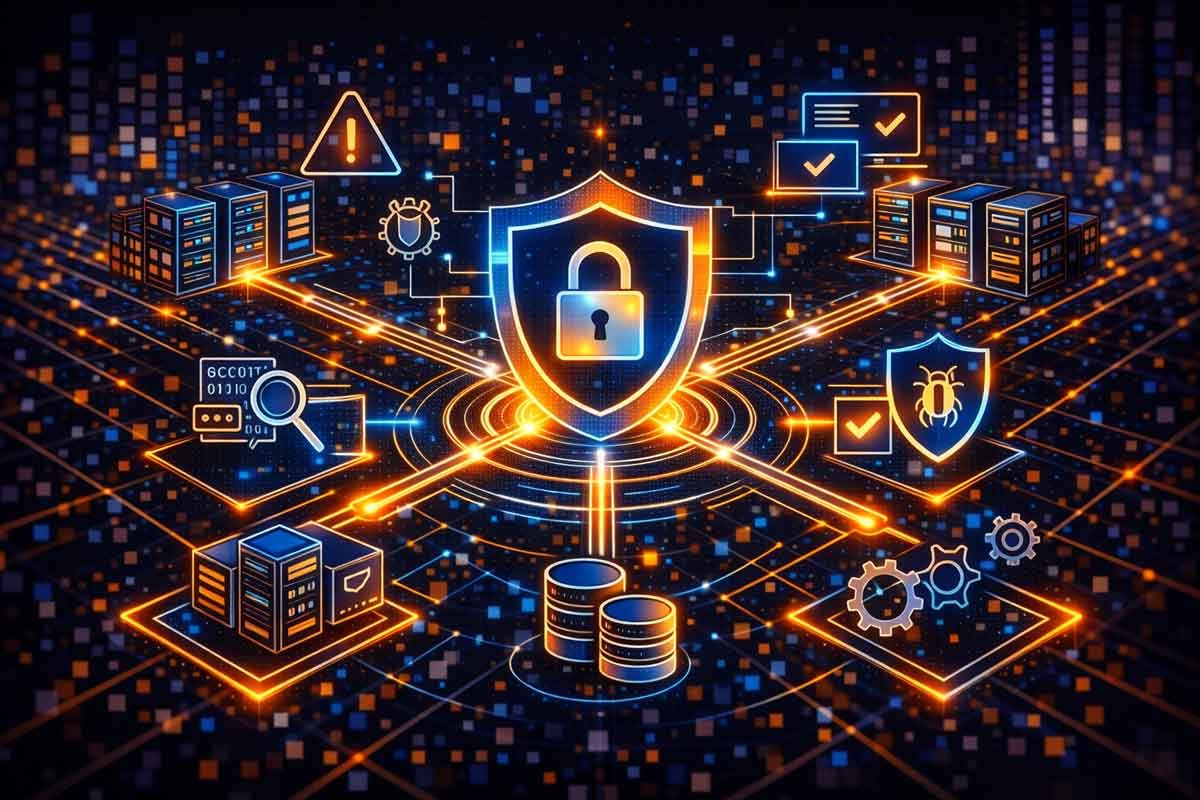
With the increasing number of information systems and integrations between them, data protection becomes strategically important. Corporate resources are no longer isolated — internal portals, electronic document management systems, HR modules, and engineering solutions form a single information contour. In such conditions, even local vulnerabilities can affect the stability of the entire infrastructure.
In this analytical article, specialists from IQusion IT LLC summarize practical experience in building secure corporate environments and propose a comprehensive approach to strengthening information security, taking into account access regulations, architectural features of systems, and industry requirements. Special attention is paid to integrating protective mechanisms into an already functioning IT architecture without disrupting its operability.
Access Control and Segregation of Duties
A basic element of security is the correct organization of access to information resources. Forming user roles according to job responsibilities allows limiting access to critical data and reducing the risk of unauthorized changes.
Project implementation practice shows that a centralized authorization system and unified user directories create the basis for controlled rights management. Action logging and saving operation history provide an additional level of transparency.
Data Protection in a Distributed Infrastructure
For enterprises with multiple sites or remote divisions, the issue of protecting data transmission channels and information backup is relevant. Using secure connections, organizing backups, and regularly verifying their restoration allows maintaining business process continuity.
It is important that security measures are implemented within a unified architectural concept. Fragmented solutions, installed without considering the overall system structure, can create additional risks and complicate administration.
Monitoring and Incident Prevention
Centralized monitoring systems allow timely detection of suspicious activity and reaction to deviations from normative indicators. Regular configuration audits and software updates reduce the likelihood of exploiting known vulnerabilities.
A separate role is played by the incident response regulation: defining responsible persons, the notification procedure, and the mechanism for restoring system operation. This approach allows minimizing the consequences of possible failures and ensuring the stable functioning of the corporate environment.
IQusion’s Offer
IQusion considers information security an integral part of corporate system architecture. The company conducts audits of existing infrastructure, forms a protection model considering industry requirements, and ensures the phased implementation of technical and organizational measures.
A systematic approach to strengthening security allows creating a stable and manageable IT infrastructure that supports the long-term development of the enterprise and meets the requirements of a regulated environment.