Blog and news (uk)
State-Level Integration Platforms: Data Exchange Standards
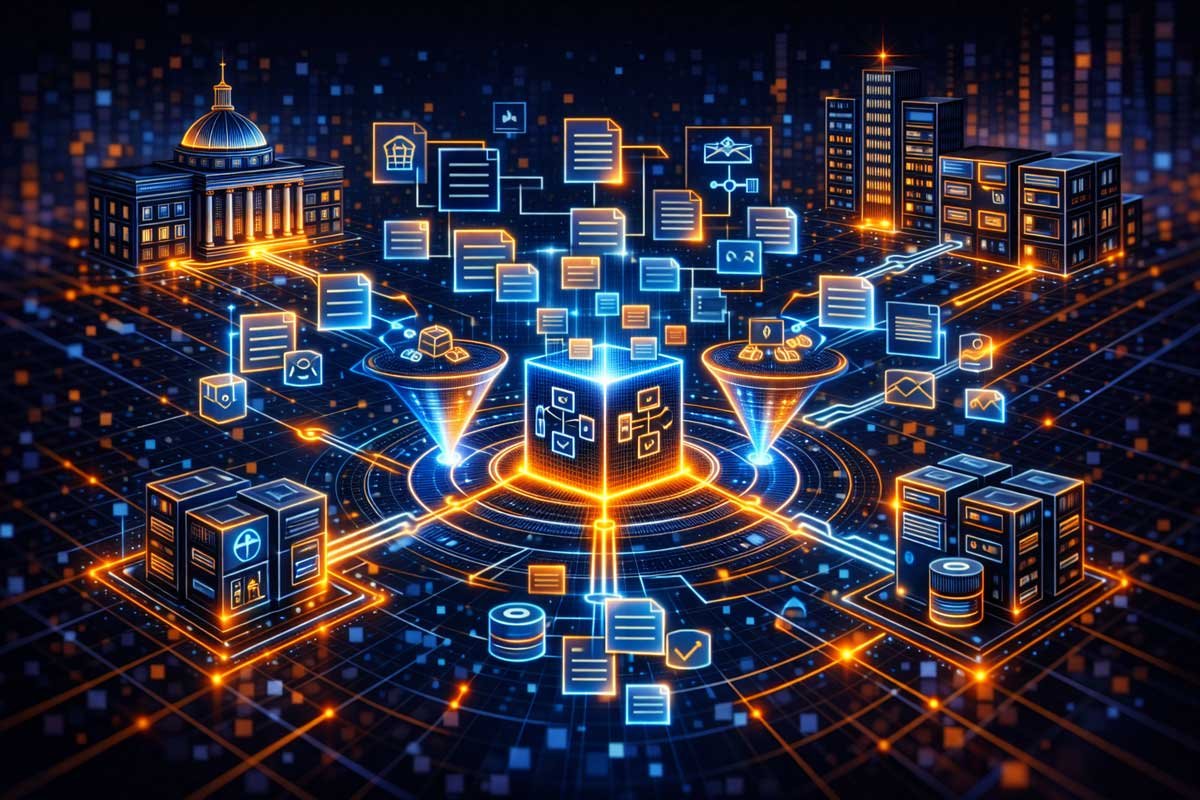
The growing number of electronic services and the expansion of state registers’ functionality have actualized the need for standardized interdepartmental data exchange. After the rapid implementation phase of individual integration solutions, the task arose to systematize them and transition them into stable industrial operation.
This implementation review summarizes the experience of building state-level integration platforms that ensure controlled information exchange between registers, electronic document management systems, and analytical modules. Architectural approaches, security standards, and regulated interaction procedures are discussed.
Architecture of the Integration Contour
In 2016, integration platforms were formed based on a service-oriented architecture (SOA) using centralized integration buses and API gateways. This model allows isolating internal systems from direct external requests and providing a single point of traffic control.
IQusion IT LLC implements a multi-level data exchange model in public sector projects, where each request undergoes access rights verification, logging, and protocolling. This creates a transparent interaction environment between departments without compromising their autonomy.
The use of standardized message formats and regulated interfaces ensures the compatibility of new services with existing systems without the need for their complete modernization.
Security and Control of Information Exchange
In the context of ongoing military threats and increased cybersecurity requirements, integration platforms are implemented using encrypted communication channels and service-level authentication mechanisms. Every exchange operation is subject to mandatory logging.
IQusion implements centralized monitoring of integration flows, allowing for prompt detection of anomalies, overload, or regulation violations. User and administrator action audits are integrated with the client’s corporate analytical modules.
Network segmentation and isolation of the integration contour from internal databases reduce the risk of unauthorized access and ensure the stable operation of state information resources.
Regulatory Formalization and Interdepartmental Interaction
The 2016 integration platforms are accompanied by the development of data exchange regulations agreed upon by the interaction participants. Formalization of procedures allows defining the responsibilities of the parties, data update timelines, and incident handling rules.
IQusion IT LLC ensures the phased connection of new departments to the integration environment with testing on a separate contour before transitioning to production mode. This helps avoid disruptions in the operation of existing services.
The platform becomes a tool for consolidating information resources without creating redundant data copies, which aligns with the principles of rational infrastructure use and reduced operational costs.
Stability and Further Development of the Integration Model
The transition to standardized integration solutions in 2016 forms the basis for the long-term development of e-governance. Clearly defined interfaces, access control, and centralized monitoring ensure predictable operation.
IQusion views the integration platform as a strategic component of the state’s digital infrastructure, allowing services to be scaled without compromising architectural integrity. Controlled connection of new systems supports technological discipline and compliance with regulatory requirements.
In summary, state-level integration platforms create a managed data exchange environment, increase the efficiency of interdepartmental interaction, and lay the foundation for further modernization of information systems within the stabilization phase of development.