
Regulated Backup and Recovery Procedures: Emphasis on Reliability
The increasing volume of state data and the integration of critical services into a unified information environment have necessitated the formalization of backup procedures. Following the active deployment phase of systems, the…
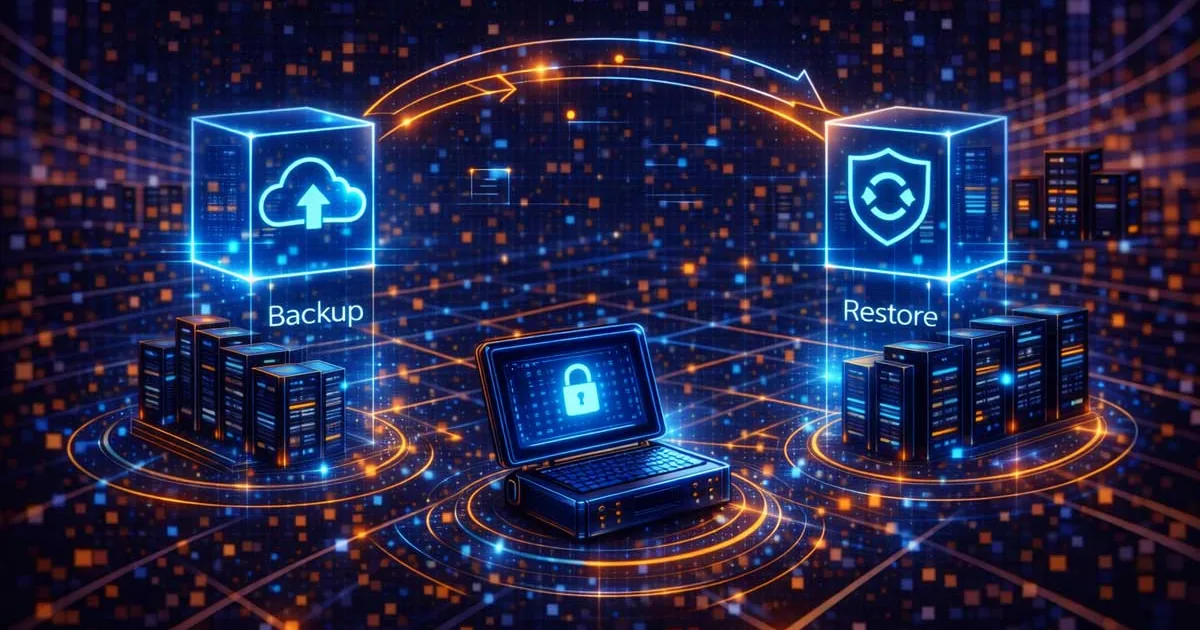
The increasing volume of state data and the integration of critical services into a unified information environment have necessitated the formalization of backup procedures. Following the active deployment phase of systems, the task arose to ensure a predictable recovery model with clearly defined timelines and responsibilities.
This analytical publication summarizes the experience of implementing regulated backup and disaster recovery procedures in state IT environments. Architectural approaches, copy storage models, and organizational aspects of operational control are discussed.
Backup Architectural Model
In 2016, backup is implemented as a multi-level system covering server clusters, databases, and file storages. Fault-tolerant solutions are used with copies distributed between the main private data center and a remote backup site.
IQusion IT LLC applies a combination of local fast copies for operational recovery and archival backups for long-term storage in its projects. This approach allows for balancing recovery speed and data security.
The backup infrastructure is integrated with centralized configuration management, which ensures that backup parameters comply with approved standards and minimizes the risk of errors during setup.
Regulation of Procedures and Responsibility
The formalization of backup involves approving copy creation schedules, defining retention periods, and describing recovery scenarios. All operations are logged with the possibility of subsequent auditing.
IQusion implements mechanisms for centralized monitoring of backup process status, allowing for timely detection of errors or deviations from regulations. Reports on procedure execution are provided to the customer’s responsible departments.
Given increased security requirements and considering the experience of 2014–2015, special attention is paid to protecting backup copies through network segmentation and the use of encrypted data transmission channels.
Recovery Testing and Service Continuity
Backup is considered not just as creating copies, but as a comprehensive procedure for restoring system functionality. In 2016, regular testing of failover scenarios to a backup site and recovery of individual components was introduced.
IQusion IT LLC ensures the conduct of planned checks with documentation of results and adjustment of regulations in case of weaknesses. This helps maintain the infrastructure’s readiness for emergency situations.
Clustering of server solutions combined with backup copies creates a multi-level protection model that minimizes downtime for state services.
Long-Term Operational Stability
The transition to regulated backup procedures in 2016 forms the basis for predictable operation of state information systems. Clearly defined storage and recovery rules enhance infrastructure manageability.
IQusion considers backup as an integral element of architectural discipline, combined with centralized monitoring, user action auditing, and controlled resource scaling.
In summary, the implementation of regulated backup and recovery procedures ensures stability, reduces operational risks, and supports the continuous functioning of state electronic services within a long-term development strategy.
Related materials
 Digital Transformation
Rapid Adaptation Without Stress: How HR Systems and Digital Regulations Overcome Staff Instability
This year, the Ukrainian labor market has definitively entered a phase of 'structural storm'. The demographic…
 Artificial Intelligence
Freeing up a third of staff time: which routine operations should be automated first
Ukraine's HR landscape has transformed: the shortage of specialists has become not a temporary crisis, but…
 Digital Transformation
Digital X-ray: How to Identify Bottlenecks and Delays in an Organization’s Business Processes
We all see how the rules of the game have fundamentally changed in 2026. With offices…