3D Modeling of Complex Technical Objects: An Engineering Approach
Designing complex technical objects requires a high level of precision, coordination between departments, and adherence to industry standards. Traditional methods of working with drawings and disparate design materials are gradually giving way…
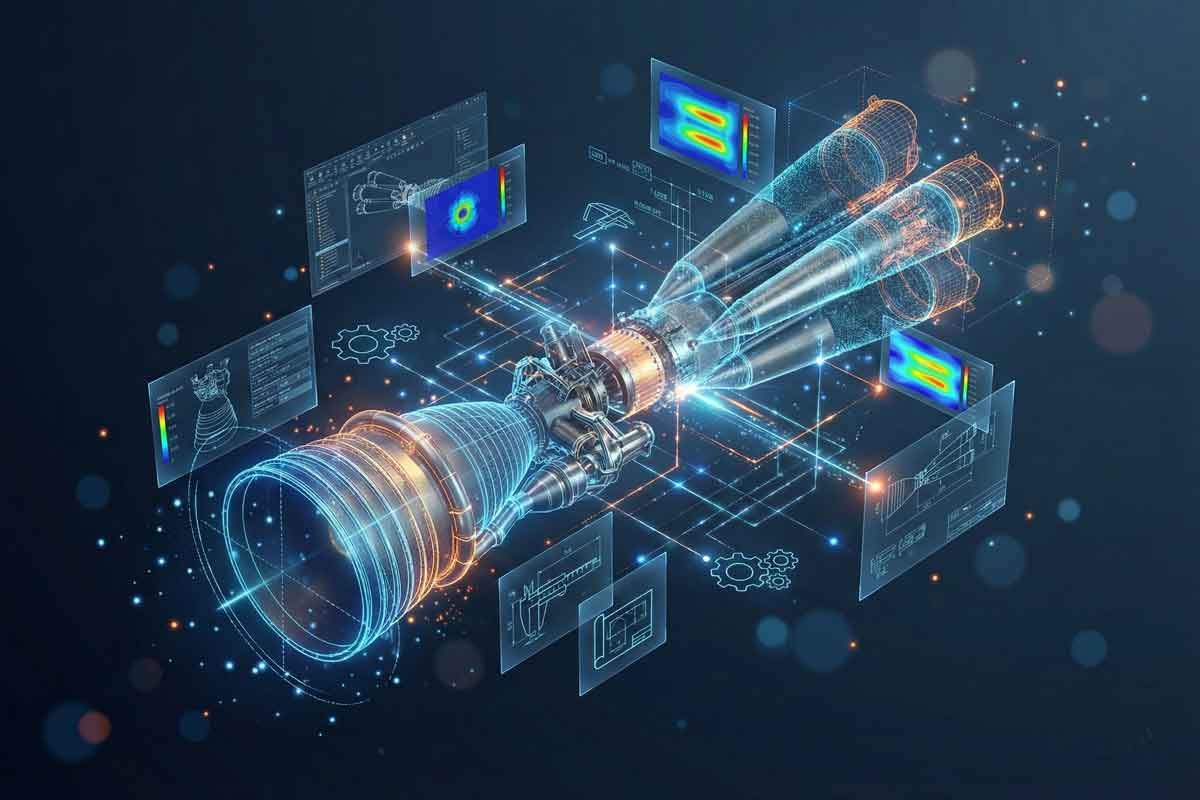
Designing complex technical objects requires a high level of precision, coordination between departments, and adherence to industry standards. Traditional methods of working with drawings and disparate design materials are gradually giving way to three-dimensional modeling, which allows combining geometry, technical parameters, and operational characteristics into a single digital model.
In this publication, specialists from IQusion IT LLC share their experience in implementing solutions for the engineering environment and propose a systematic approach to using 3D modeling as a tool to increase design accuracy and consistency among project participants. Solutions are implemented taking into account the requirements of industry structures and specialized research institutions.
Single Digital Object Model
The basis of the engineering approach is the formation of a holistic three-dimensional model that includes structural elements, assemblies, and units with reference to technical parameters. Such a model allows detecting collisions already at the design stage, optimizing layout, and reducing the number of changes during the production process.
The digital representation of the object ensures transparency of interaction between designers, technologists, and operational services. Data consistency minimizes the risk of errors that may arise when transferring information between departments.
Integration with Production and Accounting Systems
3D modeling gains practical value only when integrated with other enterprise information solutions. Transferring specifications to production systems, generating material statements, and coordinating changes through an electronic document management system create a unified project management loop.
The integration approach allows synchronizing design changes with technological processes and accounting data. This is especially relevant for enterprises working with special-purpose products and having increased requirements for accuracy and regulated procedures.
Visualization and Expert Evaluation
Three-dimensional models become a tool not only for design but also for expert evaluation. The ability to visualize complex technical objects at various stages of development simplifies the approval of technical solutions with customers and specialized experts.
A separate role is played by the formation of a model archive, which allows storing the history of changes and using developed solutions in subsequent projects. This approach contributes to the unification of structural elements and increases the efficiency of engineering activities.
Features of IQusion Services
IQusion views the implementation of 3D modeling as a component of a comprehensive modernization of an enterprise’s engineering infrastructure. The company analyzes existing design processes, forms an integration model for interaction with production and management systems, and ensures phased implementation of the solution, taking into account industry specifics.
A systematic engineering approach to three-dimensional modeling allows increasing the accuracy of design solutions, ensuring the consistency of technical data, and creating a basis for the long-term development of the enterprise’s technological platform.
Related materials
 Digital Transformation
Rapid Adaptation Without Stress: How HR Systems and Digital Regulations Overcome Staff Instability
This year, the Ukrainian labor market has definitively entered a phase of 'structural storm'. The demographic…
 Artificial Intelligence
Freeing up a third of staff time: which routine operations should be automated first
Ukraine's HR landscape has transformed: the shortage of specialists has become not a temporary crisis, but…
 Digital Transformation
Digital X-ray: How to Identify Bottlenecks and Delays in an Organization’s Business Processes
We all see how the rules of the game have fundamentally changed in 2026. With offices…