Blog and news (uk)
Architectural Discipline — The Foundation of Long-Term Digital Transformation
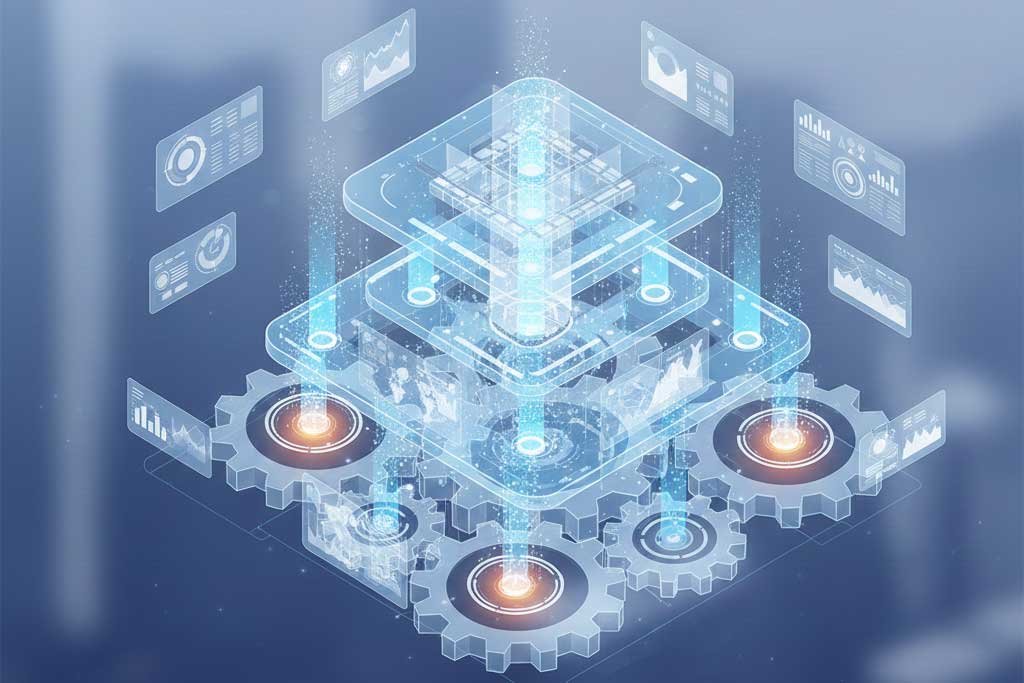
The development of state information systems in 2016 required a shift from isolated implementations to a systematic architectural approach. The increasing number of services, integrations, and users brought the issues of manageability, standardization, and predictability of IT infrastructure development to the forefront.
This publication examines the practical experience of establishing architectural discipline in the public sector: from standardizing technical solutions to regulating the system lifecycle. Special attention is paid to the relationship between infrastructure approaches and long-term strategic goals of digital transformation.
Unified Architectural Development Model
In 2016, digital transformation is viewed as a continuous process requiring a unified architectural model. The implementation of service-oriented architecture (SOA), integration platforms, and API gateways creates prerequisites for scalability without loss of manageability.
IQusion IT LLC establishes architectural principles in state-level projects that encompass network segmentation, centralized configuration management, and standardized interaction interfaces. This ensures consistency between different subsystems.
The use of clustered server solutions and fault-tolerant infrastructures creates the technical basis for the long-term functioning of services in industrial operation mode.
Process Regulation and Change Control
Architectural discipline involves the formalization of procedures for implementing, updating, and integrating new components. All changes undergo approval, testing, and logging in protocol systems.
IQusion provides centralized monitoring of system status, auditing of user and administrator actions, and control of dependencies between components. This helps reduce risks during modernization and maintain operational stability.
Regulated backup and recovery procedures complement the architectural model, ensuring readiness for unforeseen situations and minimizing downtime.
Institutional Integration and Standard Consistency
Digital transformation of the public sector is impossible without consistency of technical standards across different agencies. Architectural discipline involves the use of unified directories, classifiers, and data exchange formats.
IQusion IT LLC implements an approach where integration solutions are deployed considering the requirements for interdepartmental interaction and centralized access control. This maintains the integrity of the information environment.
Conditions of increased security requirements necessitate circuit isolation, the use of encrypted channels, and multi-level user rights control.
Foundation for Strategic Development
Architectural discipline creates a predictable environment for the phased development of digital services. Clearly defined system construction principles allow for planning scalability without loss of stability.
IQusion considers architectural integrity a key factor in long-term transformation, combining infrastructure solutions, integration mechanisms, and management analytics into a unified system.
In summary, architectural discipline ensures the stability, manageability, and strategic consistency of digital processes, creating a foundation for the further development of state information platforms.